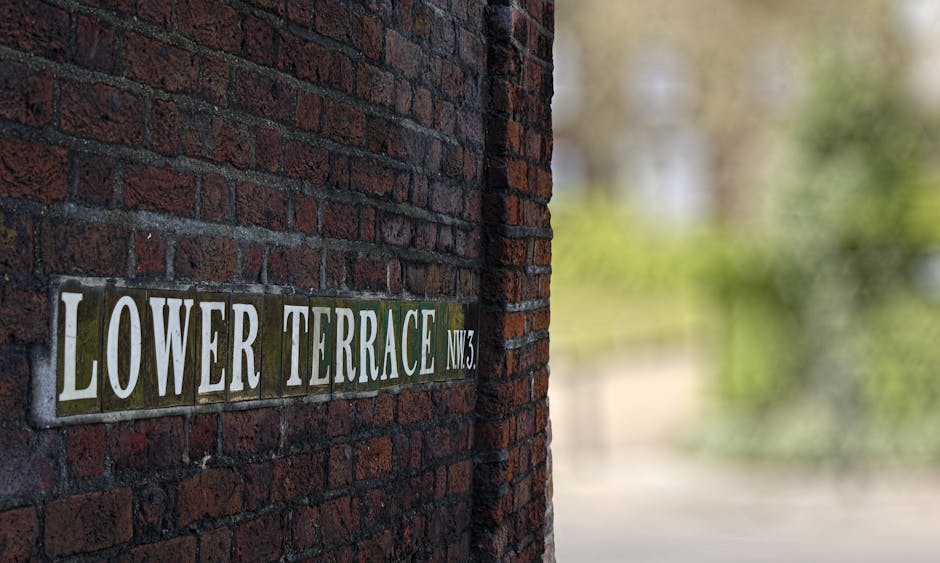
Affordable gardeners for Roman Road terraces E2
If you live in a Roman Road terrace, you already know the outdoor space can be a blessing and a puzzle at the same time. One week it is a suntrap with herbs doing well by the fence; the next, the back garden feels crowded, a bit patchy, and suddenly the ivy has taken liberties. That is where affordable gardeners for Roman Road terraces E2 come in. The right local help can keep a compact London garden tidy, healthy, and pleasant without turning upkeep into a monthly drama.
This guide is for anyone who wants practical gardening help in E2 without paying for unnecessary extras. We will look at what affordable gardening really means, how local gardeners usually work on terrace plots, what to expect on cost and quality, and how to choose someone who respects both your budget and your space. If you are weighing up a one-off tidy-up, regular maintenance, or help with a slightly neglected patch out the back, you are in the right place.
Table of Contents
- Why Affordable gardeners for Roman Road terraces E2 Matters
- How Affordable gardeners for Roman Road terraces E2 Works
- Key Benefits and Practical Advantages
- Who This Is For and When It Makes Sense
- Step-by-Step Guidance
- Expert Tips for Better Results
- Common Mistakes to Avoid
- Tools, Resources and Recommendations
- Law, Compliance, Standards, or Best Practice
- Options, Methods, or Comparison Table
- Case Study or Real-World Example
- Practical Checklist
- Conclusion
- Frequently Asked Questions
Why Affordable gardeners for Roman Road terraces E2 Matters
Terraced gardens in E2 are rarely huge, but they are often surprisingly demanding. Narrow side access, shared boundaries, old brick walls, compact courtyards, sloping plots, and a mix of mature planting all make maintenance a little more fiddly than a standard suburban lawn. That is exactly why affordability matters here. If the cost of keeping a garden tidy becomes too high, it is easy to let things slide. And once a terrace garden starts slipping, the job often gets bigger, messier, and more expensive to bring back under control. Classic local story, really.
Affordable does not mean basic or careless. In a good local gardening service, it usually means sensible planning, efficient labour, and only paying for the work you actually need. For Roman Road terraces, that might be regular pruning, border tidy-ups, weed control, hedge trimming, seasonal planting, or a complete reset after months of neglect. The value is in keeping the space usable without turning it into a luxury project.
There is also a lifestyle angle. A neat, well-kept outdoor area can make a small terrace feel bigger, calmer, and more useful. On a bright Saturday morning, it is a different place entirely when you can step outside for coffee instead of staring at a jungle of self-seeded weeds. In busy East London life, that peace matters more than people sometimes admit.
Expert takeaway: For terrace gardens in E2, affordability is best judged by value per visit, not by the lowest quote. A cheaper service that misses the important bits often costs more later.
How Affordable gardeners for Roman Road terraces E2 Works
Most local gardening jobs start with a quick look at the space and a clear conversation about priorities. That sounds obvious, but honestly, it is where the best results begin. A good gardener will ask what is bothering you most: overgrown hedges, weeds between paving, tired beds, uneven edges, or simply the fact that the whole garden has got away from you. From there, they can match the job to your budget.
For terrace gardens around Roman Road, the work often falls into a few common patterns:
- One-off tidy-up: useful after a busy season, a long holiday, or a period when the garden has not had enough attention.
- Regular maintenance: weekly, fortnightly, or monthly visits for pruning, weeding, sweeping, deadheading, and border care.
- Seasonal refresh: spring and autumn work to reset beds, clear debris, and prepare for changing weather.
- Targeted jobs: hedge trimming, lawn care, pressure-free weeding, planting, or waste removal.
In practical terms, affordable gardeners keep things efficient. They bring the right tools, work methodically, and focus on the tasks that give the biggest visual and horticultural improvement. That might mean cutting back a bay shrub that is taking over a narrow path, or clearing the back corner where damp leaves have been sitting too long. Little things, but they add up.
If you are already comparing nearby services, it can help to look at the wider support available too. Many homeowners in the area also check related service pages such as garden maintenance, hedge trimming, lawn care, and professional weeding to build a package that suits the garden rather than forcing the garden to suit the package.
Key Benefits and Practical Advantages
The best reason to hire a local gardener is simple: they save you time and reduce the stress of trying to keep on top of a space that needs regular attention. But for Roman Road terraces, there are a few more specific advantages worth understanding.
1. Better use of limited space
Terrace gardens often need a bit of judgement. A good gardener knows what to trim, what to leave, and how to make a small space feel more open without stripping out all the character. Over-pruning is a real thing, by the way. Sometimes less is not more.
2. Lower long-term costs
Regular light maintenance is usually cheaper than repeated rescue jobs. If weeds are removed before they seed, if shrubs are shaped before they swamp walkways, and if beds are cleared before rot builds up, the garden stays manageable. That is where affordability starts to become very practical.
3. A neater, safer outdoor area
Overgrown paths, slippery moss, hidden debris, and uneven edging can all make a terrace garden awkward to use. A tidy-up reduces those everyday annoyances. It can also make bins, tools, and children's play areas easier to manage. Simple, but useful.
4. Healthier planting
Plants in urban gardens often compete with compacted soil, shade, wind, and inconsistent watering. Regular care helps spot problems early. Yellowing leaves, pests, poor drainage, or overcrowding can be handled before they become bigger issues.
5. Less waste, more consistency
Affordable gardeners tend to work in a way that builds consistency. You do not need to wait until the garden looks embarrassing before calling someone in. That steady approach gives a better-looking result for the money. Truth be told, that is often the smartest way to spend on garden care in a city terrace.
Who This Is For and When It Makes Sense
This kind of service is a good fit for a wide range of local homeowners and tenants. If you live on or near Roman Road and your garden is not huge but still somehow manages to need constant attention, you will probably recognise yourself in one of these situations.
- You want the garden tidy but do not have the time, tools, or energy to do it well.
- You have a compact terrace garden that needs regular care, not a full redesign.
- You have let things slip a bit and need a manageable reset rather than a major landscaping project.
- You are preparing to sell, let, or simply improve the first impression of your home.
- You prefer to spend your weekends enjoying the garden rather than wrestling with it.
It also makes sense if you are not quite sure what the garden needs. Many people think they need one big job when, in reality, they need a sensible sequence of smaller tasks. For example, a front garden might need weed removal and edging, while the back space may only need pruning and a light tidy. A good gardener can help prioritise that without piling on unnecessary work.
If your property has particularly awkward access, shared pathways, or mature planting, it can be worth checking nearby advice pages such as garden clearance support or planting and border design to understand which kind of help is most appropriate before you book. That small bit of homework can save a lot of back-and-forth later.
Step-by-Step Guidance
If you want affordable gardening help without regrets, a simple process works best. Nothing fancy. Just clear thinking and a few sensible questions.
- Walk the garden first. Look at what is actually bothering you. Is it weeds, overgrowth, tired planting, waste, or lack of structure?
- Set one clear goal. For example: "Make the back garden usable again" or "Keep the front tidy every month." A focused brief helps keep costs sensible.
- Separate must-do from nice-to-have. If the budget is tight, decide what matters most this visit. The pretty extras can wait.
- Ask what is included. Check whether waste removal, green bin use, hedge clippings, and minor materials are part of the quote.
- Compare like with like. A cheap quote might exclude key tasks. A fair price for more work may be better value overall.
- Book a first visit before problems build. That first tidy-up often makes the biggest difference, especially if the garden has been neglected through winter or after a hectic summer.
- Agree a rhythm. If the space needs recurring care, a monthly or seasonal schedule is often easier on the budget than repeated emergency fixes.
One thing people often miss: the first visit is not always the cheapest-looking one, because it may include the heavy lifting. After that, maintenance is usually much easier. That is where the savings start showing up.
Expert Tips for Better Results
Here are some practical, field-tested tips that help stretch your budget and improve the final result. They are simple, but they matter.
Keep the brief narrow
If everything is urgent, nothing is. Pick the top two or three tasks and let the gardener work efficiently. You can always add extras later.
Choose the right season for the job
Spring and early autumn are often ideal times for reset work, but every garden is different. In a terrace setting, light tidying in summer and leaf clearance in autumn can be especially useful. After a windy spell, you will know why.
Bundle jobs sensibly
If you need weeding, pruning, and hedge trimming, it is often more efficient to have them done in one visit rather than split into three. That said, do not bundle tasks just for the sake of it.
Protect what you want to keep
Tell the gardener which plants matter to you. A family rose, an established climber, or a small herb patch can easily get lost in a fast tidy-up if nobody points it out. Happens more than you might think.
Use maintenance as prevention
The least expensive garden is often the one that never gets completely out of hand. Even a short, regular visit can stop the need for major overhauls later.
For broader support on keeping things manageable, a useful next step is often a combination of seasonal garden care and tree and shrub care. That gives structure to the year rather than treating the garden like a series of random emergencies.
Common Mistakes to Avoid
Affordable gardening can go wrong when the brief is vague, the expectations are fuzzy, or the service is chosen purely on price. To be fair, this is where a lot of people get caught out.
- Choosing the cheapest quote without checking what is included. A low price can hide limited scope, no waste removal, or rushed work.
- Assuming all gardeners handle the same type of work. Some are best for regular maintenance, others are better for clearance or planting.
- Waiting until the garden is severely overgrown. The bill usually grows with the mess.
- Not mentioning access issues. Narrow side gates, shared entries, or parking restrictions can all affect how a job is done.
- Expecting a full redesign from a maintenance visit. A tidy-up is not the same as a landscaping project.
- Skipping aftercare. If pruning or planting has been done, a little follow-up watering or monitoring may be needed.
One small but important point: if your garden contains climbing plants on old brickwork or walls, say so early. Terrace boundaries can be delicate, and it is better to work carefully than to "sort it out later." Later has a habit of becoming expensive.
Tools, Resources and Recommendations
Good gardeners rely on reliable tools, but homeowners can still help by understanding the basics. You do not need to buy a shed full of equipment. A few sensible items and habits make the whole process smoother.
Useful tools for compact urban gardens
- Sharp secateurs for light pruning
- Long-handled shears for hedge and shrub shaping
- Weed knife or hand fork for paving gaps and borders
- Sturdy rake for leaves and debris
- Bucket or trug for cuttings and cleared waste
- Watering can or hose with a controlled spray setting
Useful resources for planning your garden work
It can help to review related pages before booking, especially if you want a broader service package. For instance, if your terrace needs a bigger reset, garden planting services can help refresh tired beds, while patio cleaning may be useful where paving has become slippery or dull. If your fence line or privacy planting needs attention, boundary care and fence support may also be relevant.
When deciding what to do first, ask yourself: what changes will make the garden feel better immediately? Is it cleaner paving, sharper edges, or healthier planting? Start there. That first improvement gives momentum, and momentum matters more than people think.
Law, Compliance, Standards, or Best Practice
Most routine gardening in a private terrace garden is straightforward, but there are a few best-practice points worth keeping in mind. These are not complex, yet they help avoid problems.
Waste handling: Green waste should be managed responsibly, and if a gardener removes waste for you, it is sensible to ask how it will be disposed of. Reputable services will be clear about this.
Property boundaries: In terrace settings, boundary lines can be sensitive. If a tree, hedge, or climber sits close to a shared fence or wall, it is wise to discuss any pruning carefully. Where ownership or responsibility is unclear, caution is usually the safest route.
Plant and wildlife care: Insects, nesting birds, and established habitats can sometimes affect what can be trimmed and when. A careful gardener will avoid needless disturbance and work with common-sense timing. No need to turn a tidy-up into a wildlife incident.
Access and safety: Good practice includes keeping walkways clear, using tools properly, and working in a way that avoids damage to paving, windows, or neighbouring property. This matters in narrow E2 terraces where everything is a bit closer together than you would like.
Insurance and professionalism: It is reasonable to ask whether the gardener has appropriate insurance and experience for the type of work needed. That question is not awkward; it is sensible. A trustworthy provider should answer clearly.
If your job involves more than basic maintenance, a chat about scope is helpful. That might mean checking whether the gardener is comfortable with shrub pruning or garden waste removal, especially if the site is tight or the workload is heavy.
Options, Methods, or Comparison Table
Different garden care options suit different budgets and garden conditions. For Roman Road terraces, the right choice usually depends on how much time you have, how overgrown the space is, and whether you want ongoing support or just a one-off reset.
| Option | Best for | Pros | Possible drawbacks |
|---|---|---|---|
| One-off tidy-up | Neglected gardens, pre-event refresh, seasonal reset | Fast visible improvement, flexible, good starting point | May not solve recurring issues unless followed by maintenance |
| Regular maintenance | Busy households, small gardens, older planting | Keeps costs predictable, prevents overgrowth, less stress | Requires ongoing commitment and scheduling |
| Seasonal visits | Gardens needing quarterly attention | Good balance of cost and care, useful for spring/autumn tasks | Can miss fast-growing summer problems if left too long |
| Targeted task booking | Hedge cutting, weeding, clearance, planting | Very budget-conscious, focused on one job | Can be less efficient if multiple issues build up |
In many E2 terrace gardens, the sweet spot is a mix of targeted work plus light regular upkeep. That way, you are not paying for constant heavy labour, but the garden never slips into the dreaded "we'll deal with it next month" category. And next month, of course, becomes next season.
Case Study or Real-World Example
Take a typical Roman Road terrace with a narrow back garden, a small paved area, a couple of raised beds, and a fence line that has started to go soft with climbers and weeds. The owner wants the space usable again without spending a fortune. They do not need a full redesign. They just want to sit outside without feeling they should apologise to the neighbours.
A sensible local gardener might start with a tidy-up: remove weeds from paving and borders, cut back overgrowth, shape a couple of shrubs, clear dead material, and bring the lines of the garden back into view. If the budget allows, they might then suggest a second visit for planting or edging. That staged approach usually works better than trying to do everything in one expensive go.
In practical terms, the garden changes quickly. The path becomes walkable again, the beds look intentional, and the whole place feels lighter. Sometimes that is enough to change how the home is used. A chair comes out. A kettle goes on. The space starts earning its keep again.
That is the real value of affordable gardeners for terrace homes in E2: not perfection, just a garden that feels looked after, usable, and not demanding your entire weekend.
Practical Checklist
Use this checklist before you book garden help in Roman Road E2. It keeps things simple and stops you paying for work you do not need.
- Decide whether you need a one-off tidy-up or regular maintenance
- Walk the garden and list the top three problems
- Identify any plants, features, or borders you want protected
- Check access, parking, and whether waste removal is needed
- Ask what is included in the price
- Confirm whether tools and materials are supplied
- Ask about insurance and experience with terrace gardens
- Choose a visit time that suits the season and the job
- Be realistic about what can be achieved in one appointment
- Plan a follow-up schedule if the space tends to grow quickly
If you can answer those ten points, you are already ahead of most people. Honestly, it makes everything easier.
Conclusion
Affordable gardeners for Roman Road terraces E2 are not just about saving money. They are about making small urban gardens manageable, attractive, and worth using day to day. For terrace homes, that balance matters. Space is limited, time is limited, and no one wants to spend all their weekends wrestling brambles and dusting off secateurs.
The smartest approach is usually simple: be clear about what you need, choose help that matches the actual garden, and focus on steady maintenance rather than dramatic rescue jobs. Do that, and even a modest terrace can feel calm, cared for, and genuinely enjoyable. Not perfect. Just good. And sometimes, good is exactly what you need.
Get a free quote today and see how much you can save.
If you are ready to make your outdoor space easier to live with, start with one small step. A tidy garden has a quiet way of lifting the whole home, especially on a mild evening when the light catches the brickwork and everything feels a little more settled.
Frequently Asked Questions
What do affordable gardeners for Roman Road terraces E2 usually do?
They usually handle practical maintenance such as weeding, pruning, hedge trimming, border tidying, leaf clearance, planting, and small-scale garden resets. For terrace gardens, the work is often focused on keeping the space neat and manageable rather than doing full landscaping.
How do I know if a quote is actually good value?
Look at what is included, not just the headline price. A fair quote should explain labour, waste removal, the size of the job, and any extras. The best value is usually the quote that covers the work you need without padding it with unnecessary items.
Is a one-off tidy-up enough for a small terrace garden?
Sometimes, yes. If the garden is only mildly overgrown, a one-off tidy-up can restore order quickly. If growth is fast or the space is used regularly, a lighter maintenance schedule may be better in the long run.
How often should a terrace garden in E2 be maintained?
That depends on the planting and how much use the space gets. Some gardens benefit from fortnightly or monthly visits, while others only need seasonal attention. Fast-growing borders and hedges usually need more regular care than paved courtyards.
Do gardeners take away the waste?
Many do, but not all. It is important to ask in advance whether green waste disposal is included. If it is not, you may need to handle it yourself or arrange a separate service.
Can a gardener help with overgrown hedges and climbers on terrace walls?
Yes, though it is worth explaining the structure carefully first. Terrace walls, shared boundaries, and old brickwork need a thoughtful approach. A careful gardener will prune with the garden's layout in mind and avoid damaging nearby surfaces.
What should I prepare before the gardener arrives?
Clear access if you can, move fragile pots or furniture, and point out plants you want kept. It also helps to mention any tight entry points, parking issues, or neighbour considerations before the visit.
Are cheap gardeners always a bad idea?
Not necessarily. A low-cost gardener can be a good choice if the scope is clear and the service is reliable. The key is checking what is included and whether the person has the right experience for terrace gardens. Cheap and careless, though, is where problems start.
Can gardeners help make a small terrace look bigger?
Yes. Careful pruning, cleaner edges, better sightlines, and improved planting structure can make a compact garden feel more open. Even small changes can create a better sense of space.
What if my garden has been neglected for months?
That is common, especially in busy city homes. A sensible first step is a clearance or tidy-up visit, followed by a maintenance plan. The garden does not need to be fixed all at once. That would be a bit much, to be fair.
Do I need planning permission for normal garden maintenance?
Routine maintenance does not usually involve planning permission, but bigger changes, protected trees, or work affecting boundaries can be different. If a job goes beyond basic care, it is wise to check the specifics before starting.
What is the best time of year to book gardening help?
Spring and autumn are often useful times for heavier tidying and preparation work, while summer may call for regular upkeep. Winter can also be practical for clearances and planning, depending on the weather and the garden's condition.