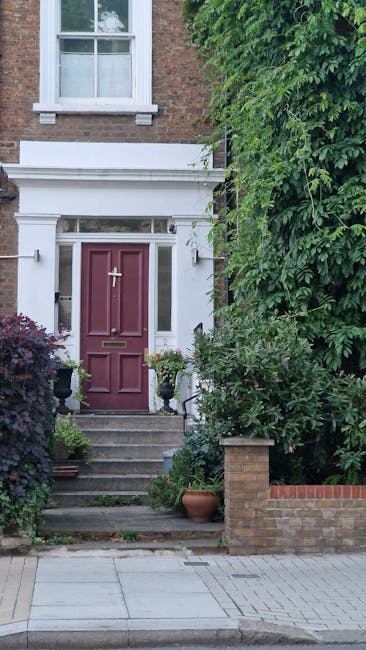
Cambridge Heath Road garden maintenance specialists Bethnal Green
If you live or work near Cambridge Heath Road, you'll know gardens here can be a bit of a mixed bag. Some are neat and compact, some are shaded by tall buildings, and some have a way of turning into a small wilderness after a few rainy weeks. That's exactly where Cambridge Heath Road garden maintenance specialists Bethnal Green can make a real difference. Not with overblown promises, just steady, knowledgeable upkeep that keeps outdoor spaces healthy, usable, and good-looking through the seasons.
Whether you manage a private garden, a shared courtyard, a rental property, or a small commercial frontage, the right maintenance approach saves time and avoids the usual headaches: patchy growth, weeds that arrive out of nowhere, hedges that start to sprawl, and lawns that lose their shape. In this guide, you'll find practical advice on how local garden maintenance works, who it helps, what to expect, and how to choose the right ongoing care for your space. If you need a broader local service context, you may also find our garden maintenance in Bethnal Green page useful alongside this guide.
Truth be told, good garden care is often less about dramatic transformations and more about timing, consistency, and noticing the small stuff before it becomes expensive. That's the bit people forget.
Table of Contents
- Why Cambridge Heath Road garden maintenance specialists Bethnal Green Matters
- How Cambridge Heath Road garden maintenance specialists Bethnal Green Works
- Key Benefits and Practical Advantages
- Who This Is For and When It Makes Sense
- Step-by-Step Guidance
- Expert Tips for Better Results
- Common Mistakes to Avoid
- Tools, Resources and Recommendations
- Law, Compliance, Standards, or Best Practice
- Options, Methods, or Comparison Table
- Case Study or Real-World Example
- Practical Checklist
- Conclusion
- Frequently Asked Questions
Why Cambridge Heath Road garden maintenance specialists Bethnal Green Matters
Gardens along and around Cambridge Heath Road face a few very local challenges. There's urban dust, awkward shade, busy foot traffic, compact soil, and in many properties a strong mix of old planting and newer boundary features. That combination can make even a small garden feel high-maintenance if it's not looked after regularly.
Local specialists matter because they understand the pace and character of the area. A garden in Bethnal Green is not the same as a large suburban plot with wide borders and easy access. Here, space is tighter, access can be trickier, and good maintenance often means working smarter rather than bigger. You want someone who knows how to keep things tidy without stripping out the character.
There's also a practical side. Regular maintenance helps prevent problems like:
- weeds seeding across borders and paving
- hedges becoming too dense or misshapen
- lawns thinning in shaded or compacted areas
- climbers damaging fences or brickwork
- dead growth attracting pests or disease
- overflowing planters that look tired rather than cared for
In our experience, the biggest advantage is not simply appearance. It's control. A well-maintained garden feels manageable, and that changes how people use it. You're more likely to sit out there, let the kids play, or keep a courtyard clear for morning coffee. Sounds simple, but it matters.
If your outdoor space needs more than routine upkeep, have a look at our landscaping services in Bethnal Green for larger improvements and redesign work.
How Cambridge Heath Road garden maintenance specialists Bethnal Green Works
Good garden maintenance is usually built around a practical cycle: inspect, cut back, clear, feed, shape, and reset. The exact tasks depend on the season, the planting style, and how much use the garden gets. A small front garden with gravel and shrubs needs a different approach from a shared rear space with lawns, borders, and climbing plants.
A typical maintenance visit may include:
- Initial assessment. The gardener checks the condition of lawns, borders, hedges, trees, hard surfaces, drainage points, and containers.
- Prioritising urgent jobs. Safety issues, obstructed paths, overgrown access points, or broken plant supports are dealt with first.
- Routine tidying. This usually covers weeding, deadheading, pruning, grass cutting, edging, and general clearing.
- Plant health checks. Yellowing leaves, pest signs, mildew, or drought stress are spotted before they spread.
- Seasonal adjustments. In spring and autumn, the work shifts to planting, cutting back, soil care, and preparing for weather changes.
That process sounds straightforward, and mostly it is. But the quality comes from judgement. A hedge can be trimmed too hard, a shrub can be cut at the wrong time, and a lawn can be scalped when it should have been lifted gently. Small errors, real consequences.
Many local customers ask for recurring visits rather than one-off tidy-ups because consistency keeps the garden stable. If you're comparing ongoing care options, our garden tidy-up services explain how lighter, seasonal visits differ from full maintenance plans.
Key Benefits and Practical Advantages
There are obvious visual benefits to regular maintenance, but the less obvious ones are often more valuable over time.
1. Better plant health
Plants do better when dead material is removed, soil is kept breathable, and pruning happens at the right moment. A tidy garden is usually a healthier one. Not always, but usually. And healthier plants are less likely to need drastic rescue work later.
2. Lower long-term costs
Letting a garden get out of hand tends to create a bigger bill later. Dense hedges take longer to restore, neglected lawns may need renovation, and weed problems can become persistent. Regular care helps spread the work and keeps each visit manageable.
3. Safer, easier access
Overgrown paths, slippery moss, low branches, and hidden debris all create avoidable hazards. In a busy street like Cambridge Heath Road, that matters for residents, visitors, tenants, and delivery access too.
4. Better use of limited space
Many Bethnal Green gardens are not large. So every metre has to work hard. A clean layout, good edging, and well-kept planting can make a small courtyard feel twice as usable. It's a bit like making a narrow room feel calm with the right furniture. Same principle.
5. Easier seasonal changeovers
London weather can be a nuisance. One week everything is waking up, the next week it's soggy and tired-looking. Regular maintenance helps gardens transition between seasons without that messy in-between stage where nothing looks quite right.
| Maintenance approach | Best for | Typical outcome | Watch-outs |
|---|---|---|---|
| One-off tidy-up | Overgrown gardens, pre-sale preparation, post-tenancy reset | Fast visual improvement | Can slip back quickly without follow-up |
| Monthly maintenance | Small and medium gardens with moderate growth | Steady control, less build-up | May not suit fast-growing or heavily used spaces |
| Fortnightly maintenance | Lawns, borders, shared gardens, visible frontages | Consistently neat and healthier plants | Needs a clear scope so tasks don't drift |
| Seasonal overhaul | Gardens needing structural reset | Strong improvement, better long-term shape | Usually works best alongside routine care |
Who This Is For and When It Makes Sense
Garden maintenance services along Cambridge Heath Road make sense for a wide range of people. And not just those with big gardens. Often it's the smaller spaces that need the most careful attention, because there's less room for a plant to go wrong before the whole place looks messy.
This service is especially useful for:
- Homeowners who want the garden kept in shape without giving up weekends to it
- Landlords and letting agents who need outside spaces to remain presentable between tenancies
- Busy households where garden work keeps slipping to the bottom of the list
- Older residents who want help with physical tasks like pruning, lifting, or clearing waste
- Businesses and offices needing tidy outdoor entrances or communal planting
- Property managers looking for reliable ongoing care across multiple sites
It also makes sense if your garden has a few awkward features: climbing ivy, uneven paving, narrow access, mature shrubs, or a lawn that's never quite behaved itself. Lets face it, some gardens are polite; some are not.
If your priority is long-term presentation with less stress, a recurring plan is often better than scrambling for help when things are already messy. That said, a one-off visit can be the right first step if the space needs a reset before maintenance can begin properly.
Step-by-Step Guidance
If you're thinking about hiring local garden maintenance specialists, here's the sensible way to approach it.
Step 1: Walk the garden with fresh eyes
Look at the space as if you were seeing it for the first time. What looks overgrown? Where do you actually walk? Which plants are thriving and which ones always seem stressed? Take a few photos if that helps. Morning light can make problem areas easier to spot, especially in shady London gardens.
Step 2: Decide what you want maintained
Be clear about the scope. A maintenance plan can include lawns, hedges, borders, pots, weeds, pruning, leaf clearance, and waste removal. It can also be lighter-touch. If you only need selective tasks, say so. Good gardeners appreciate clarity.
Step 3: Separate urgent work from routine work
Some jobs need doing now. Others can wait until the right season. For example, self-seeded weeds on paving are a prompt issue, while some shrubs are best left until the correct pruning window. This is where local experience matters.
Step 4: Set a realistic schedule
Grass growth, rain, and shade all affect how often a garden needs attention. A shaded courtyard may need less mowing but more moss and leaf management. A sunny border may need more watering and deadheading. There's no universal rhythm, despite what some brochures suggest.
Step 5: Agree on waste, access, and communication
Before work begins, it helps to confirm how green waste will be handled, who has access, and how updates will be shared. A quick message with before-and-after photos can be useful, especially for landlords or absent homeowners. It saves a lot of back-and-forth later.
Step 6: Review after the first visit
The first proper maintenance visit often tells you a lot. Did the garden look cleaner but still natural? Were any plants cut too hard? Did the team notice hidden issues? A good service should leave the space easier to manage, not stripped bare.
Expert Tips for Better Results
Little changes make a big difference in gardens like these. Honestly, the smallest habit can save the most effort.
Keep a seasonal rhythm
Spring is for shaping and encouraging growth. Summer is for control, watering, and deadheading. Autumn is for clearing, reducing, and preparing. Winter is usually about structure and restraint. When work follows the season, the garden looks calmer and healthier.
Don't over-prune for the sake of neatness
A hard trim might look sharp for a week, but it can weaken plants or leave them exposed. Better to prune with purpose. If a shrub is blooming on old wood, timing matters. If you're unsure, ask before cutting. That one decision can save a year's growth.
Use mulching where suitable
Mulch helps retain moisture, improve soil texture, and reduce weed pressure. In urban gardens where soil can be tired or compacted, that support is genuinely useful. Just don't pile it up against stems or trunks. That's a quick way to cause trouble.
Prioritise the edges
Edges make a garden look finished. Clean lawn lines, tidy border edges, and neatly clipped boundaries give even a modest space a more cared-for feel. People often notice this before they notice the plant species, which says a lot.
Think about what you see from indoors
In Bethnal Green, many gardens are viewed as much from kitchen windows as from the patio. So the main sightlines matter. A small evergreen feature, a tidy pot arrangement, or a well-placed climber can carry the whole view when the rest is simple.
If you want ideas for combining maintenance with a more polished finish, our landscaping services in Bethnal Green can help when the garden needs a little more structure, not just ongoing care.
Common Mistakes to Avoid
Garden maintenance problems often start small. Then they snowball, usually after a bit of rain and a busy month.
- Cutting everything at once. A "full tidy" can accidentally remove flowering growth or damage plant shape.
- Ignoring weeds until they seed. This is one of the easiest ways to turn a light task into a chore.
- Skipping seasonal pruning. Some plants become leggy or congested if they're left too long.
- Overwatering containers. Containers dry out quickly in summer, but waterlogging is just as common in shaded spots.
- Letting hedges drift over boundaries. Once they do, both access and appearance suffer.
- Using the wrong tools for a quick job. A blunt pair of shears can do more harm than good. Annoying, but true.
Another common mistake is treating every garden like a blank slate. A mature plot, a new build courtyard, and a rental front garden all need different priorities. If you apply the same logic to each one, results tend to be mediocre at best.
Tools, Resources and Recommendations
You don't need a garage full of equipment to keep a garden in decent condition, but the right tools do matter. For professional maintenance, the kit usually depends on the size and type of space, plus the amount of growth on the day.
Useful tools and equipment often include:
- sharp secateurs for pruning and deadheading
- hedge trimmers for shaping and boundary control
- lawn mowers or strimmers for grass areas and awkward edges
- hoes and hand weeders for borders and paving joints
- leaf rakes and clear-up tools for seasonal debris
- watering cans, hoses, or irrigation support for dry spells
- gloves, knee pads, and protective gear for safer working
For homeowners who like to do some of the light work themselves, start with a few reliable hand tools rather than cheap bulky kits. It's usually better to have three good tools than a pile of flimsy ones. No one enjoys fighting a stiff hedge trimmer on a damp Tuesday morning.
In terms of service planning, a helpful next step is to compare recurring maintenance with one-off clearing. If you want a regular relationship and predictable results, our Bethnal Green landscaping support may be useful for larger layout changes, while lighter upkeep may be better suited to a routine care plan.
Law, Compliance, Standards, or Best Practice
For most residential garden maintenance, the main concern is not complicated regulation; it's sensible working practice. Still, there are a few things worth keeping in mind.
First, waste should be handled responsibly. Green waste, soil, and cuttings should not be left blocking pavements or stored unsafely. In shared or commercial settings, that matters even more because access and cleanliness affect other people too.
Second, some tasks may require care around boundaries, neighbours, and access rights. Trimming overhanging growth, entering a shared space, or working near a fence line should always be approached carefully and politely. Better to agree boundaries in advance than sort out misunderstandings afterwards.
Third, if the job involves ladders, large trees, power tools, or potentially unstable structures, safe working practices become important. A reputable gardener will know when a task is within routine maintenance and when it needs a more specialist approach. That distinction is worth respecting.
Finally, best practice in garden maintenance means using appropriate pruning times, avoiding unnecessary damage to plants, and leaving the site tidy. That may sound obvious. Still, you'd be surprised how often the basics are the bit that makes the difference.
If you're planning broader upgrades or want a refreshed layout alongside regular care, take a look at our landscaping in Bethnal Green service for a more structured approach.
Options, Methods, or Comparison Table
There's more than one way to keep a garden under control. Choosing the right method depends on budget, garden size, how visible the space is, and how much work you want to take off your plate.
| Method | What it includes | Pros | Best suited to |
|---|---|---|---|
| Routine maintenance | Regular visits, light pruning, weeding, mowing, tidying | Consistent appearance, fewer emergencies | Homes, rentals, shared gardens, busy owners |
| Seasonal maintenance | Spring and autumn clear-ups, cutbacks, planting prep | Good for cyclical upkeep | Gardens that need support several times a year |
| One-off restoration | Heavy clearance, weed removal, reshaping, waste removal | Big visual change quickly | Neglected or newly acquired gardens |
| Maintenance plus landscaping | Ongoing care combined with structural improvements | Long-term transformation and easier upkeep | Gardens needing both order and design improvements |
In practice, many people start with a one-off reset and then switch to routine maintenance. That's often the most practical route. Get the garden back into shape first, then keep it there. Simple, really.
Case Study or Real-World Example
Here's a realistic example from the kind of work often seen in Bethnal Green. A compact rear garden off Cambridge Heath Road had become crowded with self-seeded weeds, an uneven lawn edge, and a couple of shrubs that had outgrown their space. Nothing dramatic, just the usual accumulation that happens when life gets busy.
The first visit focused on clearing pathways, lifting dead material, and making the planting visible again. The hedge line was rebalanced, not hacked back, and the borders were cleaned so the remaining plants had room to breathe. The lawn was edged properly, which sounds minor but changed the whole look. Suddenly the garden felt intentional rather than neglected.
After that, the owner moved to a lighter monthly maintenance plan with a seasonal boost in spring. The result was a space that stayed usable without demanding constant weekend work. And that's really the point. A garden does not need to be perfect. It needs to be workable, pleasant, and under control.
If you've ever stood in the doorway looking at a garden and thought, "right, where do I even start?", you're not alone. That first reset is often the hardest bit.
Practical Checklist
Use this quick checklist before booking maintenance or starting a new plan.
- Identify the main problem areas: weeds, hedges, lawns, borders, pots, or drainage
- Decide whether you need a one-off tidy-up or ongoing maintenance
- List any plants that should not be cut back heavily
- Check access points, keys, gates, and shared-space arrangements
- Confirm whether green waste removal is included
- Note any safety concerns, uneven paving, or awkward slopes
- Set the desired frequency of visits
- Ask for updates or photos if you are not usually on site
- Think about seasonal priorities, not just the current mess
- Review the results after the first visit and adjust if needed
Expert summary: The best garden maintenance plan is rarely the fanciest one. It is the one that fits the size of the space, the pace of growth, and the way you actually live. Keep it regular, keep it realistic, and the garden stops feeling like a burden.
Conclusion
Cambridge Heath Road garden maintenance specialists Bethnal Green are valuable because they bring local judgement to a very local kind of problem: urban gardens that need steady, thoughtful care rather than occasional panic clean-ups. In a neighbourhood where space is precious and gardens often work hard, the right maintenance approach can make an outside area feel calmer, cleaner, and far more usable.
Whether you need a tidy-up after months of growth, a dependable monthly routine, or support alongside wider landscaping improvements, the best outcome usually comes from a practical plan and clear expectations. Nothing flashy. Just the right work, at the right time, done properly.
If you are weighing up your next step, start with a simple assessment of what needs attention now and what needs looking after over time. That alone will make the decision easier. And once a garden is back in rhythm, it tends to reward you quietly, week after week.
Get a free quote today and see how much you can save.
Sometimes the most satisfying gardens are the ones that never get noisy about it. They just stay good.
Frequently Asked Questions
What do Cambridge Heath Road garden maintenance specialists in Bethnal Green usually do?
They usually handle regular garden care such as mowing, edging, weeding, pruning, hedge trimming, border tidy-ups, leaf clearance, and general seasonal upkeep. The exact service depends on the garden and how often it needs attention.
How often should a garden near Cambridge Heath Road be maintained?
That depends on growth, shade, planting style, and use. Some gardens are fine with monthly visits, while others need fortnightly maintenance during faster growth periods. A one-off visit can be useful as a reset before starting a regular schedule.
Is garden maintenance different from landscaping?
Yes. Maintenance keeps an existing garden in good condition. Landscaping usually involves bigger changes, such as redesigning layout, installing features, reworking borders, or improving hard landscaping. In many cases, the two services work well together.
Can maintenance help an overgrown garden become manageable again?
Absolutely. A good first visit can clear weeds, restore paths, reduce congestion, and make the structure visible again. After that, regular visits are usually the easiest way to stop the same problem coming back.
Do small Bethnal Green gardens need professional maintenance too?
Yes, often more than people expect. Smaller gardens can look untidy faster because every weed, edge, or overgrown shrub is more visible. Professional help can make a compact space much easier to live with.
What should I ask before hiring a garden maintenance service?
Ask what tasks are included, how often visits are recommended, whether waste removal is part of the service, how access is handled, and whether they can tailor the work to your plants and schedule. Clear questions save confusion later.
Will maintenance include plant care, or just tidying?
It can include both. Good maintenance often includes checking plant health, light pruning, deadheading, mulching, and seasonal care, not just tidying. If you want plant care to be a priority, say so from the start.
What happens if I only need help seasonally?
That is common. Many gardens only need heavier work in spring and autumn, with lighter support during the rest of the year. Seasonal maintenance can be a sensible middle ground if you do not need constant visits.
Are there any compliance issues I should think about?
Mostly the focus is on safe working, responsible waste handling, and being considerate around boundaries, access, and neighbouring properties. For larger trees, high-risk work, or complex sites, it is sensible to use appropriate specialist expertise.
How do I know if I need one-off help or ongoing maintenance?
If the garden is already struggling, a one-off tidy-up is often the right first step. If you want it to stay neat without repeating the same job every month, ongoing maintenance makes more sense. Many people use both in sequence.
Can garden maintenance improve the value or appeal of a property?
It can improve first impressions and general presentation, which matters for buyers, tenants, visitors, and business premises. A neat outside space signals care. Not a guarantee of value, but it does help the property feel better looked after.
What is the best time of year to start garden maintenance?
There is no bad time to begin, but spring and early autumn are often good moments because the garden is either waking up or being prepared for slower growth. If the space is currently messy, though, the best time is usually now.