Common Problems with Shared Garden Maintenance in Bethnal Green
Shared gardens can be lovely in Bethnal Green. On a good day they soften the noise from the street, give neighbours a place to chat, and make a block of flats or a terrace feel far more lived-in. But when the upkeep is shared, the problems can pile up quickly. Missed mowings, vague responsibilities, arguments about what counts as "tidy", bins left half in the way... it only takes one weak link for the whole space to slip.
This guide looks at the common problems with shared garden maintenance in Bethnal Green, why they happen, and what actually helps in the real world. If you manage a communal garden, are part of a residents' group, or simply keep finding yourself mowing around someone else's flower bed, you'll find practical answers here. No fluff. Just the things that tend to go wrong, and how to keep the garden usable without turning every task into a committee meeting. Let's face it, gardens are meant to be enjoyed, not argued over.
Why Common problems with shared garden maintenance in Bethnal Green Matters
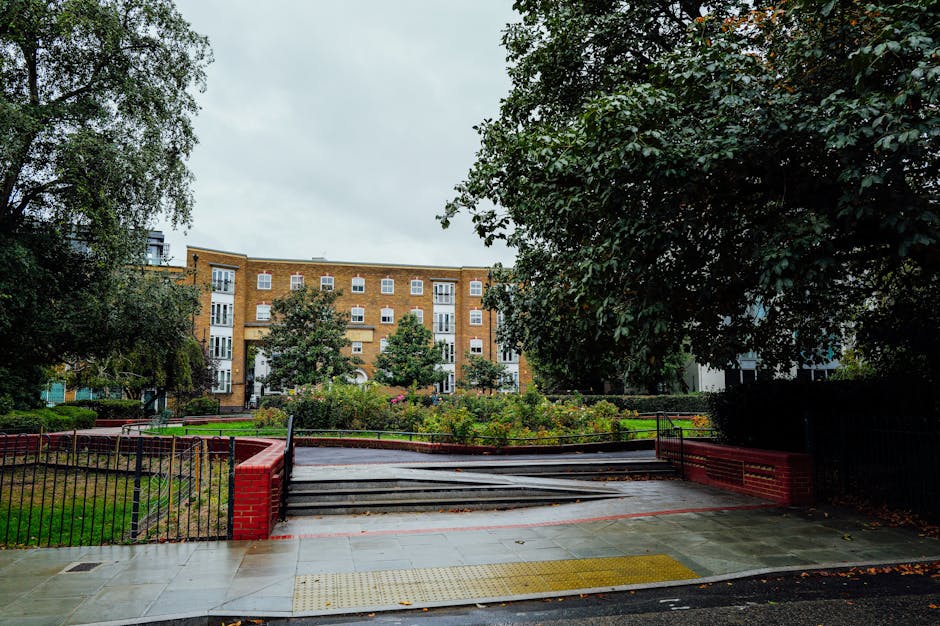
Shared outdoor spaces are often one of the few bits of breathing room in dense parts of East London. In Bethnal Green, gardens can sit behind converted houses, around maisonettes, or inside residential courtyards where several households depend on the same patch of green. That makes maintenance a shared responsibility, which sounds simple until it isn't.
When the work is not organised properly, small issues grow fast. Grass gets patchy, hedges lose shape, weeds spread through paving cracks, and leaves clog drains or paths. A communal garden that should feel calm can start to feel neglected. People notice. More importantly, people stop caring. And once that happens, it's much harder to pull things back.
There's also a social side to it. A well-kept shared garden can help neighbours feel a bit more connected. A badly kept one can do the opposite. Disputes over mowing schedules or rubbish left after a prune might sound minor on paper, but in practice they can become the sort of thing everyone avoids talking about, which is never ideal.
If the space is used by children, older residents, or tenants who rely on clear access, maintenance becomes more than cosmetic. It is about safety, usability, and keeping the place welcoming. A garden should feel like a shared asset, not a shared headache.
How Common problems with shared garden maintenance in Bethnal Green Works
At its best, shared garden maintenance works through a simple system: everyone understands what needs doing, who is doing it, when it will happen, and how decisions are made if something changes. In reality, the system is often informal. One resident takes the lead, another contributes occasionally, and a third assumes someone else has sorted it. You can probably see where that goes.
Most communal gardens need a mix of regular tasks and seasonal jobs. Regular work includes lawn mowing, edging, weeding, litter picking, and checking that paths are safe. Seasonal work can include hedge trimming, pruning, leaf clearance, border refreshes, and occasional garden clearance after heavy growth or tenancy changes. If there is decking, fencing, or mature planting, the job gets a little more complicated, quickly.
The most common breakdown points are not glamorous. They are usually administrative or behavioural:
- no agreed schedule
- no budget plan
- unclear standards
- different expectations about appearance
- one person doing most of the work
- slow responses when something needs repairing
That is why many shared gardens benefit from a written routine, even if it is basic. A simple monthly checklist and a named contact can remove a surprising amount of friction. Not everything needs a formal management company. But something needs to exist, otherwise the garden ends up being maintained by whoever complains the loudest, which is a bit of a system, if you can call it that.
Key Benefits and Practical Advantages
When shared garden maintenance is organised properly, the benefits are obvious and practical. The garden looks better, yes, but the real gain is how much easier life becomes for everyone using the space.
- Better consistency: regular care stops the garden swinging between overgrown and over-pruned.
- Lower long-term cost: small, regular tasks are usually cheaper than rescue work after months of neglect.
- Reduced conflict: clear expectations prevent the classic "I thought someone else was doing it" problem.
- Safer access: tidy paths, controlled growth, and prompt clearance reduce trip hazards and blocked walkways.
- Stronger kerb appeal: in Bethnal Green, a neat communal garden improves the feel of a whole building.
There is also a quieter benefit that often gets missed: better accountability. When everyone knows the plan, there is less room for resentment. People can see what has been done, what is due next, and why the space looks the way it does. That sort of clarity matters more than people think.
Practical summary: the best shared gardens are not the ones with the fanciest planting. They are the ones with simple routines, realistic standards, and enough communication to stop the same issue being argued about every six weeks.
Who This Is For and When It Makes Sense
This topic is especially relevant if you are part of a block of flats, a converted Victorian terrace, a housing association property, a residents' association, or a small mixed-tenure building where the garden is shared but no single person fully owns the day-to-day upkeep. It also matters if one resident has been quietly doing everything for months and is now, understandably, fed up.
You may need a more structured approach if any of these sound familiar:
- the garden is used by multiple households, but nobody has agreed on tasks
- complaints keep appearing about weeds, bins, or lawn care
- the space is being damaged by inconsistent trimming or overuse
- there are hard surfaces, decking, or tree growth that need occasional specialist attention
- residents disagree about whether the space should look tidy, natural, or low-maintenance
It also makes sense to review your setup if the garden has changed over time. Maybe new tenants moved in. Maybe the weather has made growth more vigorous than usual. Maybe the original arrangement was fine when there were four households, but not so fine now that there are eight. Shared systems age, just like fences do.
If the garden is becoming more than a simple patch of grass, services such as garden care options across the site can help you decide what needs regular attention and what needs an occasional one-off intervention. For more routine upkeep, planned garden maintenance is often easier to manage than ad hoc fixes.
Step-by-Step Guidance
Here is a straightforward way to bring order to a shared garden without making it feel bureaucratic. Keep it practical. Keep it visible. Keep it simple.
- List the actual tasks. Walk the garden and write down what needs doing now, not just what looks nice in theory.
- Separate regular jobs from seasonal jobs. Mowing is not the same as hedge trimming, and leaf clear-up is not the same as a full reset.
- Agree who is responsible. If the group is large, appoint one contact person or rotate the role on a schedule.
- Set a realistic frequency. Weekly, fortnightly, or monthly depends on growth, use, and budget. Over-promising causes trouble later.
- Decide on the standard. "Kept tidy" means different things to different people. Be specific: lawns cut, edges trimmed, litter removed, access clear.
- Check access and storage. Where are tools kept? Who has keys? Who clears the gate after use? Little things, big effect.
- Review after one month. If the plan is not working, change it before resentment builds.
A real-world example: a small courtyard in Bethnal Green might look fine from the first floor, but on the ground it can quickly collect leaves, broken twigs, and fast-growing weeds around the edges. If nobody has a plan, the garden becomes one of those spaces everyone admires from a window and avoids using below. Shame, really.
Where overgrowth or rubbish has already taken over, a more intensive reset may be needed before regular maintenance can start again. In those cases, garden clearance is often the cleaner starting point. After that, the routine becomes much easier to keep up.
Expert Tips for Better Results
In our experience, the gardens that stay under control are rarely the ones with the biggest budgets. They are the ones with the clearest habits.
1. Make the standard visible
Put the basics in writing and keep them somewhere obvious. That can be a shared noticeboard, a residents' chat, or even a simple printed sheet. The point is not formality for its own sake; it is removing ambiguity.
2. Match the service to the space
Not every shared garden needs the same level of care. A small lawn bordered by shrubs has different needs from a long narrow communal plot with hedges and mature trees. If the garden includes taller growth, hedge trimming support may need to sit alongside mowing and weeding, rather than being treated as an occasional extra.
3. Don't ignore the edges
The edges often tell the truth. Overgrown borders, mossy paving, and untidy fence lines can make a garden feel neglected even if the central lawn is fine. A quick tidy around the perimeter often changes the whole feel of the place.
4. Use a predictable rhythm
A regular slot is better than a heroic clean-up once every few months. To be fair, everyone prefers that. The garden looks calmer, the work is lighter, and nobody gets stuck with a Saturday of regret and green waste.
5. Build in a review point
Have a short review every season or after any major change. Growth rates change. Usage changes. Residents change. The plan should be able to move with the garden, not sit there like a forgotten umbrella.
If there are trees blocking light, dropping heavy debris, or making the garden hard to manage, specialist help may be needed. Tree lopping and removal services can be relevant where safety, access, or light levels are part of the problem. And if the garden needs a broader redesign to make maintenance easier, landscape gardening support can help you re-think the space instead of just trimming around the edges forever.
Common Mistakes to Avoid
Shared gardens tend to fail in the same few ways. Once you know them, they are easier to avoid. Not always easy, but easier.
- Assuming everyone shares the same idea of tidy. One person's "natural look" is another person's "we've given up".
- Waiting until everything is bad. The longer you leave it, the more expensive and awkward the reset becomes.
- Using one resident as the permanent gardener. That arrangement usually ends with resentment, or silence, which is worse.
- Skipping small jobs. Weeds, litter, and fallen leaves seem minor until they're not.
- Ignoring access issues. If tools, keys, or storage are inconvenient, the maintenance will quietly stop.
- Overcommitting on seasonal work. A spring plan that nobody can sustain by June is not a plan, it is wishful thinking.
One particularly common mistake is trying to save money by doing only cosmetic work. The garden may look passable for a week, but if drainage is poor, a path is uneven, or the boundary growth is left untouched, the underlying problem remains. That is where sensible maintenance and decent landscaping judgment matter.
For households trying to balance ongoing upkeep with occasional bigger jobs, it can help to separate routine care from one-off improvements. A building might need steady lawn mowing for the main space, while a rougher section needs periodic clearing or reshaping. Mixing every task into one vague "garden thing" is how budgets get lost.
Tools, Resources and Recommendations
You do not need a van full of expensive kit to manage a shared garden properly. In many cases, a small, reliable set of tools is enough. The trick is keeping them maintained and available.
Useful basics
- good-quality mower for the lawn area
- hedge trimmer where hedges are part of the boundary
- hand shears for detail work
- rake and leaf bags for seasonal tidy-ups
- gloves, litter pickers, and pruning tools
- lockable storage so equipment does not disappear into one flat and never emerge again
Useful planning aids
- a shared calendar for maintenance dates
- a simple job rota
- a record of completed work and upcoming tasks
- a short list of who to contact if something is damaged
Sometimes the most useful "resource" is not a tool at all. It is a good conversation. A ten-minute discussion around the actual condition of the garden can save a month of confusion. If the group needs a more structured service package or wants to compare options, pricing and quotes information is a sensible place to start, especially when people need to agree a budget before work begins.
If the garden includes timber features, steps, or a decked seating area, surfaces may need special attention. Damp and shaded spots can quickly become slippery, and broken fixings are nobody's friend. In those cases, decking services may be relevant as part of a broader maintenance plan.
Law, Compliance, Standards, or Best Practice
Shared garden maintenance does not usually involve dramatic legal complexity, but it does sit within a few important expectations. In the UK, people responsible for communal spaces should think carefully about safety, access, insurance, and clear communication. Exact obligations depend on ownership, tenancy arrangements, lease terms, and the nature of the property, so it is wise not to guess.
At a practical level, best practice usually means:
- keeping access routes reasonably clear
- managing trip hazards, loose materials, and overgrowth
- using equipment safely and sensibly
- making sure maintenance decisions are not made in isolation if others are affected
- understanding who is responsible for what before work starts
If there is contractor involvement, insurance and safety become especially relevant. It is worth checking that anyone working in or around a communal garden can explain how they handle risk, waste, and site safety. If you want a plain-English overview of how this is approached, the site's insurance and safety information and health and safety policy pages are useful reference points. You can also review the terms and conditions if you are arranging work and want expectations spelled out more clearly.
For ongoing trust and housekeeping, transparency matters. That includes how personal data is handled if names, addresses, or contact details are collected, so it is sensible to keep an eye on privacy arrangements too. Small thing, but it matters.
Options, Methods, or Comparison Table
There is no single right way to manage a shared garden. What works depends on the size of the space, how many people use it, and how much time anyone realistically has. Here is a simple comparison of common approaches.
| Method | Best for | Pros | Watch-outs |
|---|---|---|---|
| Informal resident rota | Small gardens with cooperative neighbours | Low cost, flexible, easy to start | Can collapse if one person stops doing their share |
| Resident-led maintenance plan | Mid-sized shared spaces needing structure | Clearer responsibilities, better consistency | Needs someone to keep records and reminders up to date |
| Professional regular maintenance | Busy buildings or higher-visibility gardens | Predictable quality, less neighbour friction | Requires budget and agreement on scope |
| One-off clearance plus rota | Overgrown or neglected gardens | Good reset, easier to maintain afterwards | Needs follow-up or the mess returns |
For many Bethnal Green properties, the most workable route is a combination: one proper clean-up, then a simple ongoing routine. If a garden is far beyond basic upkeep, beginning with garden clearance before shifting into scheduled care can save everyone a lot of frustration. It is the difference between trying to polish a muddy boot and actually washing it first.
Case Study or Real-World Example
A typical scenario might look like this: a small shared courtyard behind a converted house has three households using the same space. At first, everyone agrees to "keep an eye on it". That works through spring, then summer arrives, the grass grows quickly, and nobody is quite sure whose turn it is to cut it. One resident trims a corner. Another assumes the job is still pending. The third simply stops opening the back gate because the path has become cluttered.
By early autumn, the garden does not look disastrous, but it feels neglected. The lawn is uneven, weeds have crept between slabs, and a hedge has started blocking light. One resident is irritated, another is embarrassed, and the third is mildly defensive. Fair enough, really.
The fix is not necessarily expensive. The group agrees to one initial tidy-up, sets a basic monthly routine, and splits the work into small tasks: mow, edge, weed, clear leaves, and check access. Hedge work is scheduled separately. They also agree that if the garden gets beyond a certain point again, they will book a more intensive visit rather than arguing about it. The mood changes almost immediately. Not perfect, but calmer. And calmer is a lot easier to build on.
That is the real lesson with shared gardens: most of the pain comes from uncertainty, not the grass itself.
Practical Checklist
Use this checklist if you want to bring structure to a shared garden in Bethnal Green. Keep it simple and honest.
- Have we listed every regular task?
- Do all residents know who is responsible for what?
- Is there a realistic schedule for mowing, trimming, and clearing?
- Have we agreed what "tidy" actually means?
- Are tools stored somewhere secure and accessible?
- Do we have a budget for seasonal work or sudden overgrowth?
- Are paths, steps, and access routes checked regularly?
- Have we planned for hedge trimming, leaves, and other seasonal jobs?
- Do we know when a bigger clearance is needed instead of more patching up?
- Have we documented the plan so it does not vanish after one conversation?
If you can answer "yes" to most of those, you are in a much better place than many shared gardens. If not, no drama. Start with one or two fixes and build from there.
Get a free quote today and see how much you can save.
Conclusion
The common problems with shared garden maintenance in Bethnal Green are rarely mysterious. They usually come down to unclear responsibility, inconsistent routines, uneven standards, and the old favourite: assuming someone else will sort it. The good news is that these issues are fixable, and usually more easily than people expect.
A clear plan, a sensible schedule, and the right balance between routine care and occasional specialist help can transform a communal garden from a source of tension into a space people actually want to use. That shift matters. It improves the look of the building, makes daily life easier, and quietly changes how neighbours feel about the place they share.
If you are at the point where the garden feels stuck, start small. Agree the basics. Clear the worst problem. Then keep going. A shared garden does not need perfection. It needs steady care, a bit of fairness, and enough follow-through to keep it alive. That is usually enough, and sometimes it is more than enough.
And honestly, a garden that feels cared for on a damp London morning is one of those small victories that lifts the whole building.
Frequently Asked Questions
What are the most common problems with shared garden maintenance in Bethnal Green?
The most common problems are unclear responsibilities, missed mowing, inconsistent standards, poor communication, and one or two residents ending up doing most of the work. Overgrowth and litter are usually symptoms of those deeper issues.
Why do communal gardens fall into neglect so easily?
Because everyone assumes someone else will handle it. Once that happens a few times, the garden can slip quickly. Shared spaces need a routine, even a basic one, or they drift.
How often should a shared garden be maintained?
It depends on the size of the space and how fast things grow, but most shared gardens need regular attention throughout the growing season. Small jobs done consistently are usually better than large clean-ups done occasionally.
Is it better to use a resident rota or hire a professional?
A resident rota can work for small, cooperative gardens. For bigger spaces, gardens with hedges or trees, or places where consistency matters, a professional service is often more reliable. Sometimes a mix of both works best.
What should be included in a shared garden maintenance plan?
A good plan should cover mowing, edging, weeding, hedge trimming, leaf clearance, access checks, and who is responsible for each task. It should also say how often tasks happen and what to do if the garden gets overgrown.
How do you handle disagreements between neighbours?
Keep it factual and focus on the garden itself. A written plan helps because it reduces guesswork. If people can see the schedule and the agreed standard, arguments tend to calm down a bit.
What if the garden has become too overgrown to manage?
That usually means it needs a proper reset before routine maintenance can work again. In practice, a one-off clearance is often the best first step, then regular upkeep after that.
Do shared gardens need special attention for hedges and trees?
Yes, they often do. Hedges can block light and squeeze access paths, while trees may need occasional pruning or removal if they interfere with safety or maintenance. Those jobs are easy to overlook until they become a problem.
How can we keep costs fair between households?
The fairest method is to agree the budget in advance and make sure everyone understands what is included. If you are paying for work, get clarity on scope first so nobody feels surprised later.
What's the biggest mistake people make with shared garden upkeep?
Probably leaving the whole thing informal for too long. A lack of structure works for a while, then suddenly it doesn't. By then, the garden has usually become harder and more expensive to sort out.
Can landscaping help reduce future maintenance problems?
Yes, good landscaping can make a huge difference. Thoughtful planting, simpler borders, and better access layout can reduce the amount of ongoing work needed. It is one of those things that pays off quietly over time.
When should we ask for help with a shared garden?
If the garden keeps causing conflict, if nobody can keep up with the tasks, or if the space is already beyond routine care, it is probably time to get help. Honestly, the earlier you act, the less stressful it tends to be.