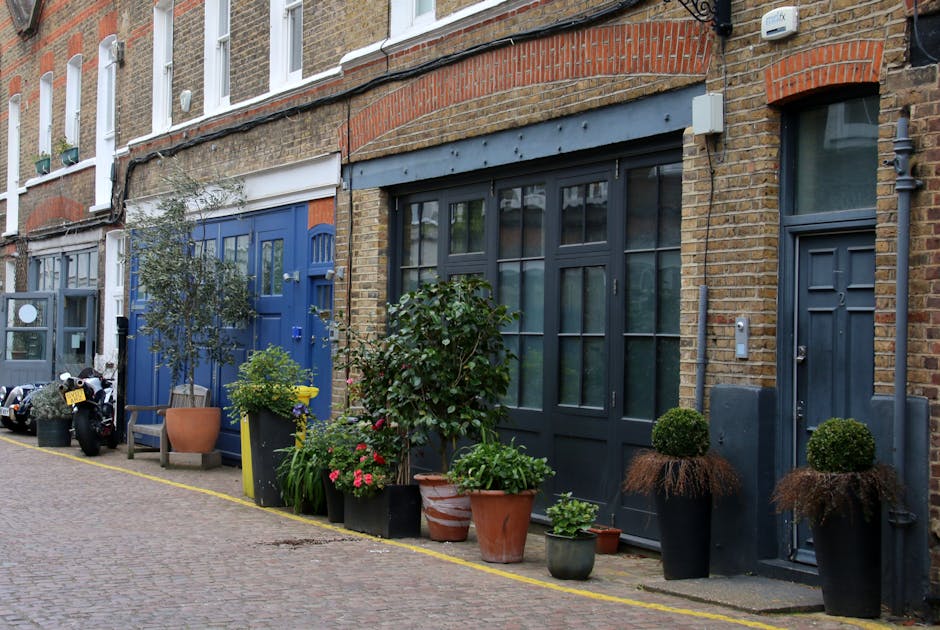
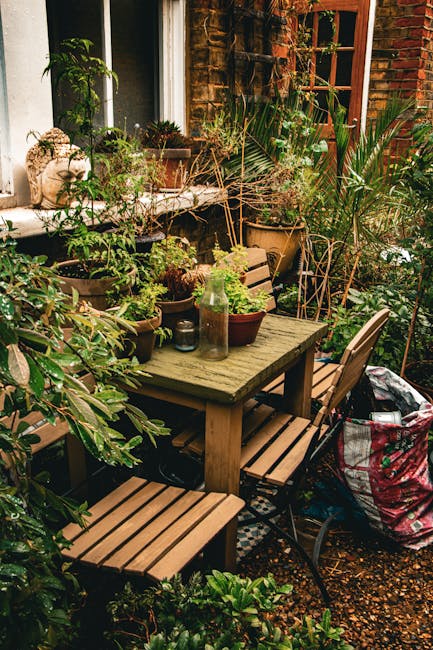
Weavers Fields small garden ideas from Bethnal Green gardeners
If you are trying to make a small outdoor space feel calmer, greener, and more useful, you are not alone. Weavers Fields small garden ideas from Bethnal Green gardeners are often shaped by the same real-life challenges: tight footprints, shade from surrounding buildings, awkward corners, and the simple need to make every inch work harder. The good news? A small garden does not have to feel limited. With the right planting, structure, and layout choices, it can feel surprisingly generous.
This guide brings together practical ideas, local know-how, and sensible design thinking for compact gardens, terraces, courtyards, and pocket-sized plots around Bethnal Green. We will look at what actually works, what tends to fail, and how to turn a tiny patch into a space you enjoy using. Truth be told, small gardens can be some of the nicest ones to get right. They ask for thought, not size.
Whether you want somewhere for morning coffee, a bit of privacy, a child-friendly corner, or just a cleaner, easier-to-maintain garden, the ideas below should help you decide what to do next.
Table of Contents
- Why Weavers Fields small garden ideas from Bethnal Green gardeners Matters
- How Weavers Fields small garden ideas from Bethnal Green gardeners Works
- Key Benefits and Practical Advantages
- Who This Is For and When It Makes Sense
- Step-by-Step Guidance
- Expert Tips for Better Results
- Common Mistakes to Avoid
- Tools, Resources and Recommendations
- Law, Compliance, Standards, or Best Practice
- Options, Methods, or Comparison Table
- Case Study or Real-World Example
- Practical Checklist
- Conclusion
- Frequently Asked Questions
Why Weavers Fields small garden ideas from Bethnal Green gardeners Matters
Small gardens in and around Weavers Fields are rarely blank canvases. More often, they are practical spaces attached to homes that already have enough going on inside them. That is exactly why thoughtful garden ideas matter. A compact outdoor area can add breathing room to a flat, soften hard edges, and make city living feel less boxed in. And let's face it, in London a little outdoor calm goes a long way.
Local gardeners working in Bethnal Green tend to understand the specific conditions that affect these spaces. You get a mix of urban shade, reflected heat from brick and paving, wind tunnels between buildings, overlooked boundaries, and soil that may not be in perfect shape. That affects plant choice, materials, drainage, and even how you use the garden through the day.
Small garden planning also matters because mistakes are more visible in a tight space. One oversized planter, one awkward path, one patch of thirsty grass, and suddenly the whole area feels crowded. The right approach creates room to move, room to sit, and room to grow without turning the garden into a maintenance headache.
Expert summary: In a small Bethnal Green garden, the goal is not to cram in more features. It is to choose fewer, better ones that work together. Structure first, planting second, details last. That order saves time and usually looks better too.
How Weavers Fields small garden ideas from Bethnal Green gardeners Works
Good small-garden design starts with observation. Before adding anything, look at how the space behaves at different times of day. Where does the light fall in the morning? Which corner stays damp after rain? Does one side feel exposed to neighbours, while another sits in shade? These details shape the plan more than people expect.
From there, Bethnal Green gardeners usually work in layers:
- Structure: edging, paving, raised beds, screens, trellis, or a small deck to define zones.
- Planting: a mix of evergreen backbone plants, seasonal colour, and container planting for flexibility.
- Function: seating, storage, bins, bike access, washing lines, or a play area if needed.
- Finishing touches: lighting, pots, mulch, and simple decorative details that do not clutter the space.
This layered approach works because each element has a job. A narrow garden path should guide movement, not eat the whole width. A screen should give privacy without making the garden feel boxed in. A planter should add height and interest, not become one more thing to dodge.
In practice, small-garden work often includes a bit of compromise. You may choose decking over lawn because it is more usable. You may swap a border for raised planters because the soil is poor. You may keep planting simple so the garden does not become a weekend job every weekend. That is not a downgrade. It is smart design.
Key Benefits and Practical Advantages
There are some very real benefits to making a small garden intentional rather than improvised. The obvious one is that it looks better. But the less obvious benefits are often the ones people value most after a few months.
- Easier maintenance: Smaller, clearer planting schemes are quicker to weed, trim, and water.
- Better usability: A planned layout gives you somewhere to sit, move, and enjoy the space without it feeling cramped.
- More privacy: Smart screening and layered planting can soften neighbouring views.
- Improved drainage and surface quality: Replacing tired ground with more suitable materials can reduce puddling and mud.
- Stronger year-round interest: Evergreen structure and repeated textures keep the garden looking alive even in winter.
- Better resale appeal: A tidy, coherent garden can make a property feel more cared for, which buyers tend to notice.
There is also a psychological benefit that is easy to underestimate. When a small garden feels ordered, it tends to invite use. You step outside for ten minutes and end up staying. That small habit shift matters. Gardens are at their best when they get used, not just admired from the kitchen window.
If the budget is tight, that is fine. A tiny, well-planned garden with one strong seating area and good planting can feel more complete than a bigger space full of unfinished ideas. A lot more complete, actually.
Who This Is For and When It Makes Sense
Small-garden ideas from Bethnal Green gardeners make sense for a wide range of people, but they are especially useful if you recognise any of these situations:
- You have a compact back garden, front garden, courtyard, or terrace that feels underused.
- Your garden is shaded or overlooked and needs a better sense of privacy.
- You want more greenery without constant upkeep.
- You need the space to work for sitting, storage, children, pets, or entertaining.
- You are replacing a patchy lawn, broken paving, or overgrown borders.
- You rent or own and want improvements that are practical rather than extravagant.
This approach also suits people who do not want a full landscape overhaul. Sometimes the biggest improvement comes from a handful of good decisions: remove clutter, add structure, simplify planting, and improve how you move through the garden. Small jobs, done properly, can change the whole feel.
If you are unsure whether to start now or later, ask yourself a simple question: do you avoid using the space because it feels awkward? If the answer is yes, that is usually the moment to act. Gardens should not become storage yards with a few plants hanging on for dear life.
Step-by-Step Guidance
Here is a practical way to approach a small garden without overcomplicating it. You do not need to do everything at once. In fact, it is often better if you do not.
1. Measure the space and note the conditions
Start with exact dimensions, then map the sunlight, shade, wet areas, and boundary lines. Take notes in the morning and again later in the day. Small gardens can change character quickly with light, wind, and reflected warmth from nearby walls.
2. Decide what the garden must do
Pick the top two or three uses. For example, "somewhere to sit with coffee," "space for herbs," and "a screen for privacy." If everything is important, nothing is important. Harsh, but true.
3. Clear away what does not earn its place
Remove broken pots, tired furniture, weeds, and features that do not serve the layout. If the garden is cluttered, the best design move may simply be subtraction. A lot of spaces improve once they can breathe.
4. Build a simple structure
Use paving, decking, raised planters, or stepping stones to define the main areas. In a small garden, crisp edges are useful because they make the space feel deliberate. Curves can work too, but only when they are doing something useful rather than just looking decorative.
5. Choose a planting framework
Pick a few reliable evergreen plants to create shape through the year, then add seasonal colour in pots or borders. Mix heights and leaf shapes. A small garden usually looks best when planting is repeated in clusters rather than scattered randomly everywhere.
6. Add privacy and vertical interest
Trellis, climbers, slim screens, and tall containers can bring the eye upward. That helps a compact garden feel taller. Tall planting is especially useful if neighbouring windows look directly into the space. A bit of visual cover goes a long way.
7. Finish with lighting and details
Use warm lighting, simple furniture, and a few well-chosen pots. Keep the finishing touches restrained. You want the space to feel calm, not staged like a showroom on a rainy Tuesday.
If you want a more maintenance-light result, build in mulched beds and generous container groupings. If you want a more social garden, prioritise seating and circulation. Either way, the sequence matters. Plan first, plant second, polish last.
Expert Tips for Better Results
In our experience, the best small gardens are rarely the most complicated ones. They are the most considered. That sounds almost too neat, but it holds up.
- Repeat materials and colours: Two or three consistent tones will usually look better than a mix of too many finishes.
- Use containers strategically: Pots are brilliant in small spaces because they are movable. You can change the feel of the garden without ripping anything out.
- Go for multi-season plants: Choose plants that look decent beyond a single flowering window.
- Make boundaries useful: Fences and walls can hold climbers, lights, shelves, or trellis. They do not need to just sit there.
- Think about maintenance access: Leave enough room to reach every plant, tap, and corner. Otherwise the garden starts resisting you.
- Keep one focal point: A bench, specimen plant, small tree, or water feature can help the eye settle.
One subtle tip that often helps: choose slightly larger containers than you first think you need. Tiny pots dry out quickly, look fiddly, and can make a garden feel busy. Larger pots ground the design and reduce watering stress. Yes, they cost a bit more upfront. They also save hassle, which is worth something on a wet Thursday evening.
Another useful habit is to stand back before you buy anything. If a feature looks good only when you are standing right next to it, it may not be doing enough for the full garden view. Small spaces rely on composition, not just individual items.
Common Mistakes to Avoid
Small gardens are easy to overdo. That is probably the most common problem. People start with enthusiasm, then accidentally crowd the space until it feels busier than the street outside.
- Using too many materials: Too much visual variety can make the space feel chopped up.
- Choosing oversized furniture: Even one bulky bench can throw the proportions off.
- Filling every corner: Some negative space is useful. It gives the eye somewhere to rest.
- Picking high-maintenance planting: A dramatic plant palette is lovely, until it starts demanding more care than you planned for.
- Ignoring drainage: Puddling, soggy beds, and waterlogged containers are common issues in compact urban gardens.
- Forgetting storage: If tools, bins, or toys have nowhere to go, the garden quickly loses its shape.
Another mistake is copying a big-garden idea into a small garden without adapting it. A long herbaceous border, a huge lawn, or a chunky pergola might work elsewhere, but in a tight Bethnal Green space it can feel overwhelming. The better question is not "what looks nice?" but "what fits, and what earns its place?"
And yes, it is tempting to buy one more feature because you have seen it online at midnight. We have all been there. The trick is to pause before that decision.
Tools, Resources and Recommendations
You do not need a van full of kit to improve a small garden, but a few sensible tools and materials make the work much easier.
Useful basic tools
- Measuring tape
- Spirit level
- Spade or border fork
- Hand trowel and secateurs
- Wheelbarrow or sturdy garden trug
- Gloves with a proper grip
- Watering can or hose with a gentle spray setting
Materials worth considering
- Gravel or paving for clean circulation
- Timber or composite decking where a raised sitting area makes sense
- Raised beds for poor soil or better planting control
- Trellis and climbers for privacy and vertical interest
- Mulch to help reduce weeds and retain moisture
- Outdoor lighting with a soft, warm finish
If you are looking beyond a quick tidy-up, it can help to work with a local team that understands both layout and upkeep. For broader improvements, landscape gardening is often the right route when you want a small garden to feel designed rather than patched together. If the plot also needs regular care after the transformation, garden maintenance can keep the whole thing looking settled and healthy.
For spaces that need a fresh start, especially if there is bramble, rubble, or a lot of neglected growth, garden clearance may be the most practical first step. And if you want a neat edge to a compact lawn or green strip, lawn mowing can make a surprising visual difference, even in a small space.
Law, Compliance, Standards, or Best Practice
For most domestic garden projects, the main concern is not regulation-heavy compliance. Still, there are a few best-practice points worth keeping in mind, especially in London where boundaries, access, and shared arrangements can matter more than people expect.
If you are altering fences, retaining walls, drainage, or anything near shared boundaries, it is sensible to check ownership and discuss plans with neighbours where appropriate. That avoids misunderstandings later. In practical terms, communication saves time.
If work involves trees, larger shrubs, or anything close to overhead lines, underground services, or protected features, careful checks are sensible before cutting or digging. Likewise, if you are adding lighting or external power, use a qualified professional and follow the normal safety expectations for outdoor electrical work.
For contractors, insurance, safe working practices, waste handling, and clear quotations are all part of good service. If you are comparing local providers, it helps to look for transparent pricing, sensible explanations, and a straightforward process. Pages like insurance and safety and pricing and quotes are useful places to understand how a responsible business presents that information. Not flashy, just reassuring.
On the environmental side, good practice includes reusing healthy materials where possible, composting green waste when suitable, and choosing planting that matches the site rather than fighting it. A garden that fits its conditions usually needs less intervention later. That is a small but important win.
Options, Methods, or Comparison Table
There is no single correct way to improve a small garden. The best method depends on how you want to use the space and how much ongoing care you are prepared to give it. This quick comparison may help.
| Approach | Best for | Strengths | Watch-outs |
|---|---|---|---|
| Container-led design | Renters, courtyards, flexible layouts | Movable, budget-friendly, easy to refresh | Needs watering and can look cluttered if overdone |
| Raised-bed layout | Poor soil, growing herbs, tidy structure | Clear edges, good drainage, easier planting control | Can reduce usable floor space if too deep or too many |
| Decking and seating zone | Relaxing, entertaining, cleaner surfaces | Creates an instant usable area, visually neat | Needs careful detailing and sensible maintenance |
| Plant-heavy softening scheme | Privacy, wildlife, calmer feel | Great texture, seasonal change, softer boundaries | Can become dense or high-maintenance without structure |
If you are torn between methods, think about your biggest pain point. Need privacy? Go vertical. Need simplicity? Use fewer plants and stronger structure. Need year-round use? Prioritise hard surfaces and seating first. The method should serve the habit, not the other way round.
Case Study or Real-World Example
A typical Bethnal Green small garden might start as a narrow strip behind a terrace or flat: patchy ground, one tired bench, a few pots collecting rain, and not much else. It feels more like a pass-through than a place to stay.
In one practical revamp, the space was reorganised into three simple zones. The back wall got a slim trellis with climbers to create height and soften the view. The middle section was opened up with a compact paved area, just large enough for a table and two chairs. The front edge became a planting band with evergreen structure, seasonal colour, and a couple of larger pots for visual weight.
The result was not dramatic in a showy way. It was better than that. The space became easier to use on weekday mornings, looked calmer from inside, and required less constant fiddling. You could hear the soft clink of a mug on the table, smell the soil after watering, and actually feel that the garden had a purpose. Small, but proper.
That is often what local gardeners aim for in Weavers Fields and nearby streets: not perfection, just a garden that fits how people live. The best improvement is usually the one that makes the space easier to enjoy without demanding attention every five minutes.
Practical Checklist
Use this quick checklist before you start, or before you sign off a final design:
- Measure the garden accurately.
- Note sunlight, shade, wind, and drainage patterns.
- Decide the top two or three uses for the space.
- Remove clutter, dead growth, and features that do not earn their place.
- Choose one main style direction instead of mixing too many ideas.
- Plan a clear path or movement route.
- Add structure with paving, decking, planters, or screens.
- Pick plants that suit the conditions, not just the look.
- Include at least some evergreen interest.
- Leave access for watering, trimming, and cleaning.
- Check boundary, access, and safety considerations if any work is substantial.
- Think about ongoing maintenance before you buy materials.
Quick reality check: if a design looks great on paper but feels cramped when you imagine moving a chair or opening a gate, it probably needs another pass. Small spaces forgive less. That is okay.
If you want support turning ideas into a plan, local services such as services overview can help you see what is available, while about us can give a better sense of who is behind the work. For a wider view of related options, you can also browse the blog for practical garden inspiration.
Conclusion
Weavers Fields small garden ideas from Bethnal Green gardeners are really about making a compact space feel more liveable. That means clearer structure, better planting choices, and a layout that reflects how you actually use the garden. Not every small garden needs to be a mini paradise packed with features. Some just need to feel tidy, private, and easy to enjoy.
The strongest results usually come from simple decisions made well: define the space, reduce clutter, plant for the conditions, and keep maintenance realistic. Do that, and even a modest garden can become one of the best parts of the home. A little outside air, a bit of green, and somewhere to sit quietly for five minutes. Honestly, that can be enough.
Get a free quote today and see how much you can save.
And if you are still deciding, that is fine. Start with the space as it is, notice what it needs most, and let the garden tell you the rest.
Frequently Asked Questions
What are the best small garden ideas for homes near Weavers Fields?
The best ideas usually combine structure, privacy, and low-maintenance planting. Raised beds, slim trellis, compact paving, and containers often work well because they make the space feel organised without overwhelming it.
How do Bethnal Green gardeners make a tiny garden feel bigger?
They often use lighter surfaces, vertical planting, repeated materials, and clear sight lines. Keeping the centre open and pushing taller elements to the edges can make the garden feel wider and less crowded.
Is decking a good choice for a small urban garden?
It can be, especially if you want a clean sitting area or need to cover poor ground. It works best when it is simple, well detailed, and not oversized. A small deck can be very effective; a huge one, not so much.
What plants work best in a small Bethnal Green garden?
Plants that suit shade, partial shade, or mixed urban conditions are usually the safest choice. Evergreen structure, climbers, compact shrubs, and pots with seasonal planting tend to work well because they stay tidy and flexible.
How much maintenance does a small garden need?
That depends on the design. A planting-heavy garden usually needs more trimming and watering, while a layout with more paving and fewer beds is easier to maintain. The trick is choosing a style that matches your actual time and energy.
Can a small garden still have privacy?
Yes. Privacy is often easier than people think if you use trellis, climbers, taller container plants, or carefully placed screens. You do not need to block everything; even a partial screen can make the space feel much more comfortable.
Should I choose artificial turf for a small garden?
It depends on your priorities. Some people like the neat appearance and low mowing needs, while others prefer planting or harder landscaping. Think carefully about heat, drainage, and the look you want year-round before deciding.
What is the cheapest way to improve a small garden?
Clearing clutter, improving edges, adding mulch, and using a few good containers can transform a space without a major spend. Often, the cheapest improvements are the ones that make the garden feel deliberate rather than unfinished.
Do I need professional help for a small garden makeover?
Not always, but professional help can save time if the garden needs layout changes, drainage work, clearance, or a more polished finish. If you want a design that feels cohesive from day one, it can be worth it.
How do I avoid making a small garden feel crowded?
Use fewer materials, fewer furniture pieces, and a simpler plant palette. Leave some open space. That breathing room matters more than people expect, especially in tight London gardens.
What should I ask a local gardener before starting?
Ask about maintenance needs, drainage concerns, plant suitability, boundary issues, and the likely sequence of work. A good conversation at the start prevents a lot of awkward surprises later on.
How do I keep a small garden looking good through winter?
Focus on evergreen structure, strong shapes, and tidy materials. Winter interest often comes from leaf form, stems, screens, and lighting rather than flowers, so plan with that in mind.